What causes ice dams on Park City roofs
Ice dams form when heat escaping through an attic melts snow on the upper, warmer part of a roof. That meltwater runs down toward the colder eaves and overhangs — areas that stay closer to outdoor air temperature because they sit beyond the heated living space below — and refreezes there, building up a ridge of ice. As the ridge grows, meltwater backs up behind it, works under shingles, and can leak into the attic, insulation, or ceiling below. This pattern repeats through a Park City winter any time there is enough snow cover and enough attic heat loss to create the uneven roof-surface temperature that drives it.
Why more roof heat cable or ice removal is not the fix
Heat cable, roof rakes, and periodic ice removal treat the symptom, not the cause. They can reduce damage in a given storm cycle, but they do not stop the underlying heat loss that creates the temperature difference between the ridge and the eaves in the first place. Homes with a recurring, storm-after-storm ice dam pattern usually have an attic air-sealing or insulation gap that needs to be addressed at the source.
How attic air sealing and insulation address the cause
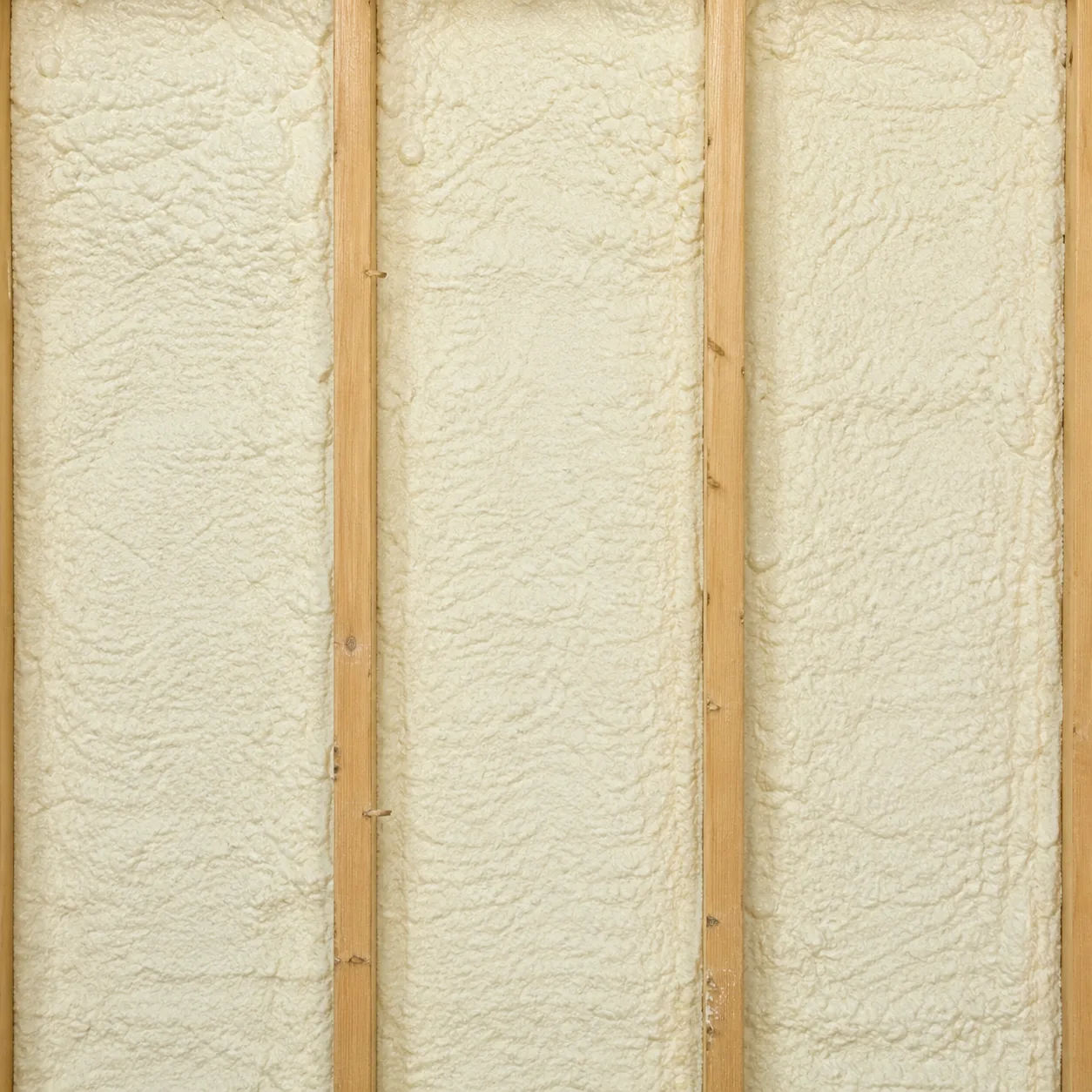
Two things need to happen together to reduce ice-dam risk: stopping warm air leaks into the attic (air sealing around recessed lights, bath fans, flue chases, top plates, and attic hatches) and adding enough insulation depth so that any heat that does reach the attic floor does not readily transfer to the roof deck. Closed-cell spray foam is commonly used at the attic floor or roof deck because it seals as it cures, closing the same gaps that fiberglass batts or loose-fill insulation tend to leave open around irregular framing and penetrations. See attic insulation for the fuller service page on this work, and attic spray foam vs. blown-in insulation for how the two approaches compare specifically for ice-dam-prone attics.
Roof deck vs. attic floor approach
Some Park City homes are better suited to insulating and sealing the attic floor (a vented attic approach), while others — particularly homes with cathedral ceilings, finished attic space, or complex rooflines — are better suited to an unvented approach that insulates directly at the roof deck with closed-cell foam. Which approach fits a given roof depends on the home's existing ventilation, roof design, and where the ice-dam pattern is showing up. This is a detail worth discussing directly with a contractor rather than assuming one approach fits every roof.
What to document before requesting a quote
Photos of ice buildup at the eaves, any interior water staining near exterior walls or ceilings, and notes on which parts of the roof show the heaviest ice are useful starting points. Also mention whether the attic has been insulated or air sealed before, and whether the ice-dam pattern is new or has recurred for multiple winters. See the spray foam cost guide for what typically affects pricing on attic air-sealing work.
Frequently asked questions
Will more attic insulation alone stop ice dams?
Insulation depth helps, but air leakage is usually the larger factor. Sealing air leaks into the attic before or alongside adding insulation depth is generally more effective than adding insulation depth on its own.
Does spray foam guarantee ice dams will never happen again?
No insulation approach can guarantee zero ice dams in every storm condition, but sealing and insulating the attic addresses the primary building-related cause and typically reduces both the frequency and severity of ice damming compared with an unsealed, under-insulated attic.
Is roof deck foam better than attic floor insulation for ice dams?
It depends on the roof and attic design. Vented attics with accessible attic floors are often insulated at the floor; cathedral ceilings or finished attic spaces without good ventilation are often better suited to roof-deck foam. A contractor should evaluate the specific roof before recommending an approach.
Can ice dams cause damage even if I do not see leaks yet?
Yes. Ice damming can saturate insulation, damage shingles and flashing, and contribute to moisture problems in the attic even before a visible interior leak appears.
Should I fix ice dams before or after a re-roof?
If a re-roof is already planned, addressing roof-deck insulation and ventilation during that project is usually more efficient than doing the two projects separately. If a re-roof is not imminent, attic-side air sealing and insulation can typically be done on its own.