What affects this project
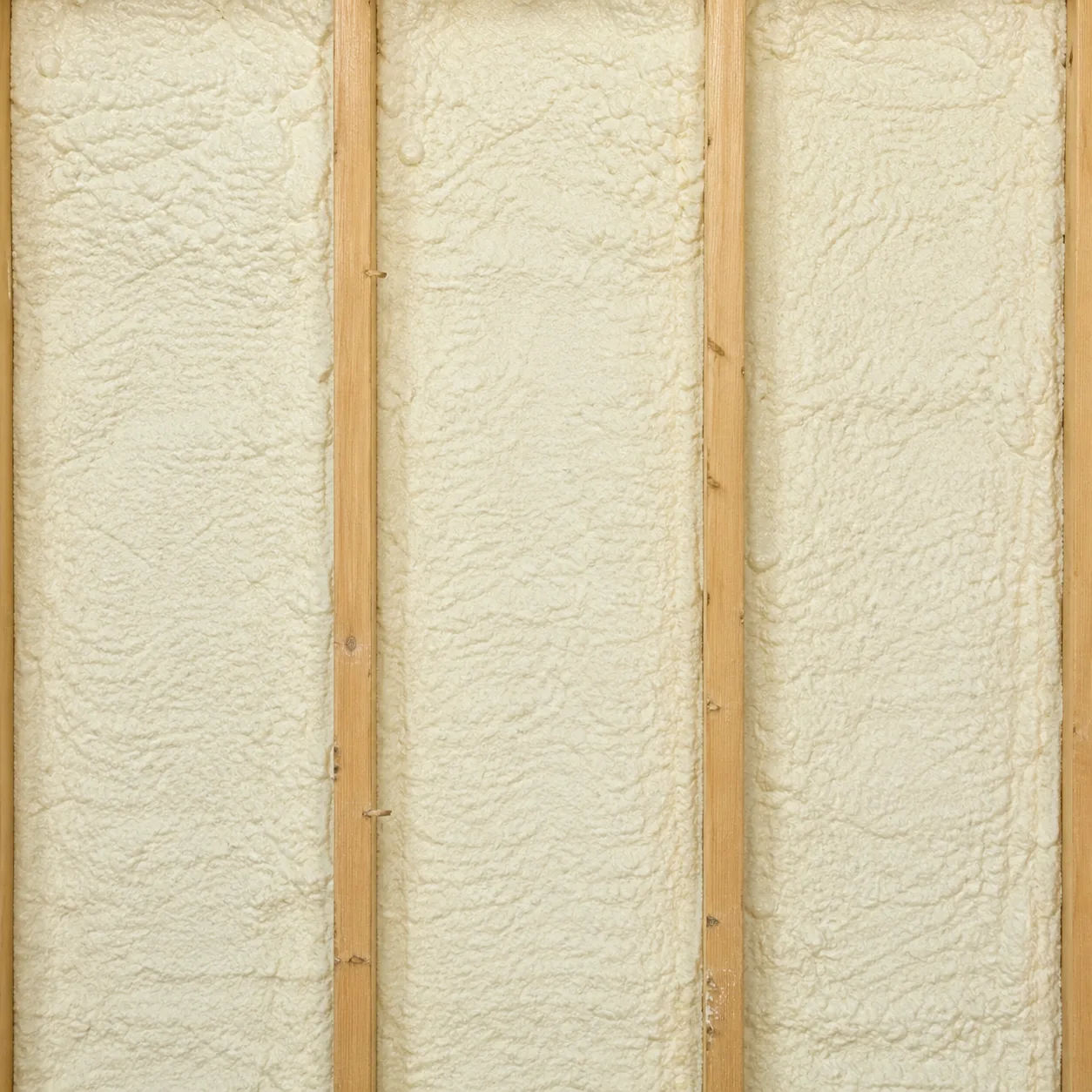
Cold winters, wind exposure, roofline complexity, and large garages or equipment spaces make air sealing and foam selection important before work begins. The contractor needs to know whether the goal is comfort, air sealing, condensation control, sound reduction, code performance, or making a garage, shop, or crawl space more usable.
Why attics matter more at Park City's elevation
Heat rises, and in a Park City winter it rises straight through an under-sealed attic floor. Above roughly 6,900 feet, heating seasons run longer and design temperatures run colder than in the Salt Lake Valley, so an attic that leaks warm air works against the furnace or heat pump for more months of the year. The result is usually one of two patterns: a noticeably higher propane or electric bill through the winter, or a top floor that never quite reaches the thermostat setpoint no matter how hard the system runs.
Ice dams: Park City's signature attic problem
Ice damming is one of the most common reasons Park City homeowners start looking at attic insulation. It happens when heat escaping through the attic floor melts snow unevenly on the roof — warmer over living space, colder over eaves and overhangs — and the meltwater refreezes at the roof edge, backing up under shingles and sometimes into the interior. Adding insulation depth alone does not always solve this; air sealing around recessed lights, bath fans, chimneys, chases, and top plates is usually the missing piece, since air leaks (not just low R-value) are what create the uneven roof-surface temperature that drives ice-dam formation. Closed-cell spray foam applied at the attic floor or roof deck, done alongside proper baffle and ventilation planning, addresses both the air-sealing and insulation side of the problem at once.
Spray foam vs. blown-in for Park City attics
Blown-in fiberglass or cellulose adds R-value but does not stop air movement through gaps, and it can settle or shift over time in a way that leaves thin spots. Spray foam expands into cavities and seals as it cures, which is why it is often specified for problem attics with a documented ice-dam or cold-room history. See the attic spray foam vs. blown-in comparison for a fuller side-by-side.
Details to gather before requesting pricing
Useful details include square footage, framing depth, surface material, existing insulation, access constraints, electrical or mechanical items in the work area, moisture history, photos, and whether other trades are scheduled. Mention any history of ice dams, icicles at the eaves, or uneven snow-melt patterns on the roof — that detail alone helps a contractor scope the job correctly. For general pricing variables, see the spray foam cost guide.
Park City building notes
Park City projects often involve second homes, nightly-rental properties, ski-area remodels, steep lots, tight access, and higher expectations for clean scheduling. That makes clear scheduling, clean prep, and the right foam recommendation more important than a generic insulation quote. Attic work is frequently paired with rim joist insulation, since both are common sources of the same whole-house heat-loss complaint.
Frequently asked questions
Why does my Park City home keep getting ice dams every winter?
Ice dams usually mean heat is escaping unevenly through the attic and melting roof snow near the ridge while eaves stay cold. Air sealing plus insulation at the attic floor or roof deck addresses the underlying cause rather than just the ice itself.
Should I add more blown-in insulation or switch to spray foam?
If the attic already has reasonable depth but still has cold rooms or ice dams, the problem is more likely air leakage than R-value, which points toward spray foam's air-sealing properties over adding more loose-fill insulation. See spray foam vs. blown-in for the comparison.
Does attic insulation help with high winter heating bills?
Reducing air leakage and heat loss through the attic is one of the more direct ways to lower heating costs at elevation, since the attic is typically the largest area of uncontrolled heat loss in a home.
Can attic spray foam be added without removing the roof?
In most cases yes — attic-floor and rafter applications are done from inside the attic. Roof-deck applications during a re-roof or new build are a separate scope; ask a contractor which approach fits your attic access and goals.
How much does attic insulation cost in Park City?
Cost depends on square footage, existing insulation removal, access, and foam type. See the Park City spray foam cost guide for the specific variables.