What affects this project
Cold winters, wind exposure, roofline complexity, and large garages or equipment spaces make air sealing and foam selection important before work begins. The contractor needs to know whether the goal is comfort, air sealing, condensation control, sound reduction, code performance, or making a garage, shop, or crawl space more usable.
Why closed-cell foam suits Park City's cold-climate assemblies
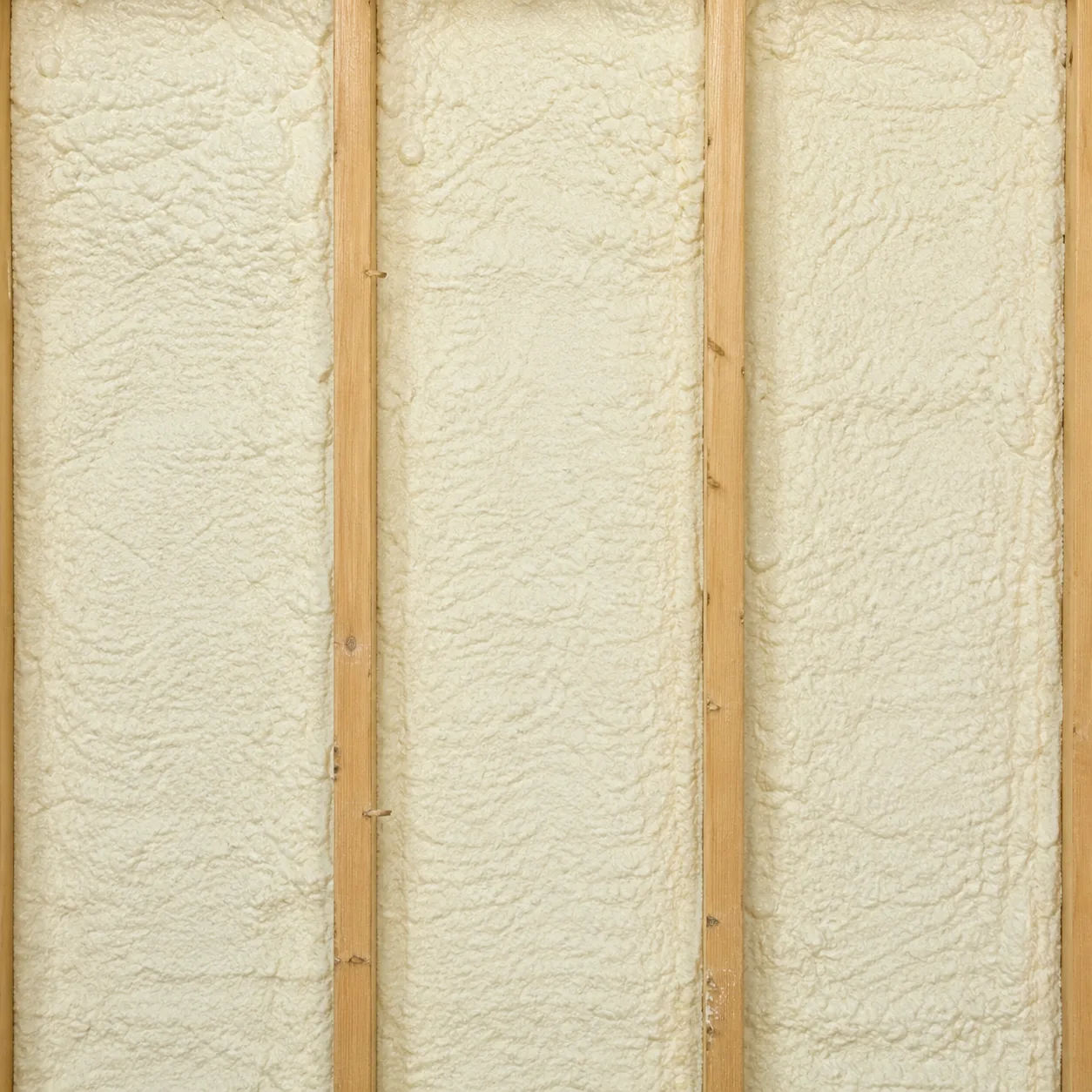
Closed-cell spray foam cures into a dense, rigid structure with a higher R-value per inch than open-cell foam or fiberglass, and it forms its own air and vapor barrier as it sets. In a cold-climate mountain town, that combination matters most in the assemblies most exposed to temperature extremes and moisture: rim joists, crawl space walls, roof decks, and below-grade or foundation-adjacent areas. Because it adds structural rigidity and resists water absorption, closed-cell foam is also the more common choice for metal buildings and shops where condensation control is as important as thermal performance.
Where closed-cell foam is typically specified
Rim joists benefit from closed-cell foam's air-sealing performance at one of a home's leakiest transitions. Crawl spaces gain both insulation and a moisture barrier in one application. Metal buildings and pole barns use closed-cell foam to reduce the condensation ("sweating") that occurs when warm interior air meets a cold metal skin. Roof decks in cathedral-ceiling or vaulted-attic designs, common in Park City's custom home market, often call for closed-cell foam because of its vapor-barrier properties in an unvented roof assembly. See metal building insulation and rim joist insulation for how these apply to specific building types.
Closed-cell vs. open-cell: how to decide
Open-cell foam costs less per board foot, expands to a greater volume, and is often preferred in interior walls or rooflines where sound dampening matters more than a vapor barrier. Closed-cell foam costs more per inch but delivers more R-value in less thickness and adds moisture resistance, which is why it is generally the default recommendation for exterior-facing, below-grade, or moisture-prone areas in a cold climate like Park City's. See the full closed-cell vs. open-cell comparison for a side-by-side.
New construction vs. retrofit applications
Closed-cell foam is easiest to apply in open-stud new construction or a remodel where framing is exposed, since a contractor can spray full cavities without masking finished surfaces. Retrofit applications — adding foam to an existing rim joist, crawl space, or attic without opening walls — are also common and generally more cost-effective per square foot than opening finished areas. Any exposed closed-cell foam in a living space, basement, or garage typically needs to be addressed with an approved thermal or ignition barrier per code; ask a contractor how that requirement applies to your specific project and space.
Details to gather before requesting pricing
Useful details include square footage, framing depth, surface material, existing insulation, access constraints, electrical or mechanical items in the work area, moisture history, photos, and whether other trades are scheduled. Because closed-cell foam is priced per board foot at a premium over open-cell, specify which assemblies need closed-cell performance and which could use open-cell. See the spray foam cost guide for how foam type affects total price.
Structural rigidity in exposed mountain locations
Beyond thermal and moisture performance, closed-cell foam bonds to framing and adds a degree of rigidity to the assembly it is sprayed into, which is one reason it is sometimes specified in detached shops and outbuildings on exposed, wind-prone sites at higher elevation or along ridgelines. It is not a substitute for structural engineering, but it is a relevant detail worth asking about for buildings in particularly exposed locations around Summit County.
Park City building notes
Park City projects often involve second homes, nightly-rental properties, ski-area remodels, steep lots, tight access, and higher expectations for clean scheduling. That makes clear scheduling, clean prep, and the right foam recommendation more important than a generic insulation quote.
Ask about product and application specifics
Closed-cell products vary in density, yield, and cure profile between manufacturers. A contractor should be able to explain which product they use, its rated R-value per inch, and how that translates to the coverage depth planned for your project rather than quoting a generic "closed-cell" line item.