What affects this project
Cold winters, wind exposure, roofline complexity, and large garages or equipment spaces make air sealing and foam selection important before work begins. The contractor needs to know whether the goal is comfort, air sealing, condensation control, sound reduction, code performance, or making a garage, shop, or crawl space more usable.
Condensation is the real problem in Park City metal buildings
Metal buildings conduct temperature quickly, and in a climate with large day-to-night and seasonal swings, that creates classic "sweating" conditions: warm, moist interior air meets a cold metal skin and condenses on the underside of the roof and walls, sometimes dripping onto equipment, vehicles, or stored materials below. This is common in uninsulated shops, garages, and storage buildings through Summit County's shoulder seasons and winter thaw-freeze cycles. Spray foam applied directly to the metal panels creates a thermal break and air seal that reduces the temperature differential driving condensation, rather than just absorbing moisture the way some fibrous insulation products do.
Closed-cell foam for metal building assemblies
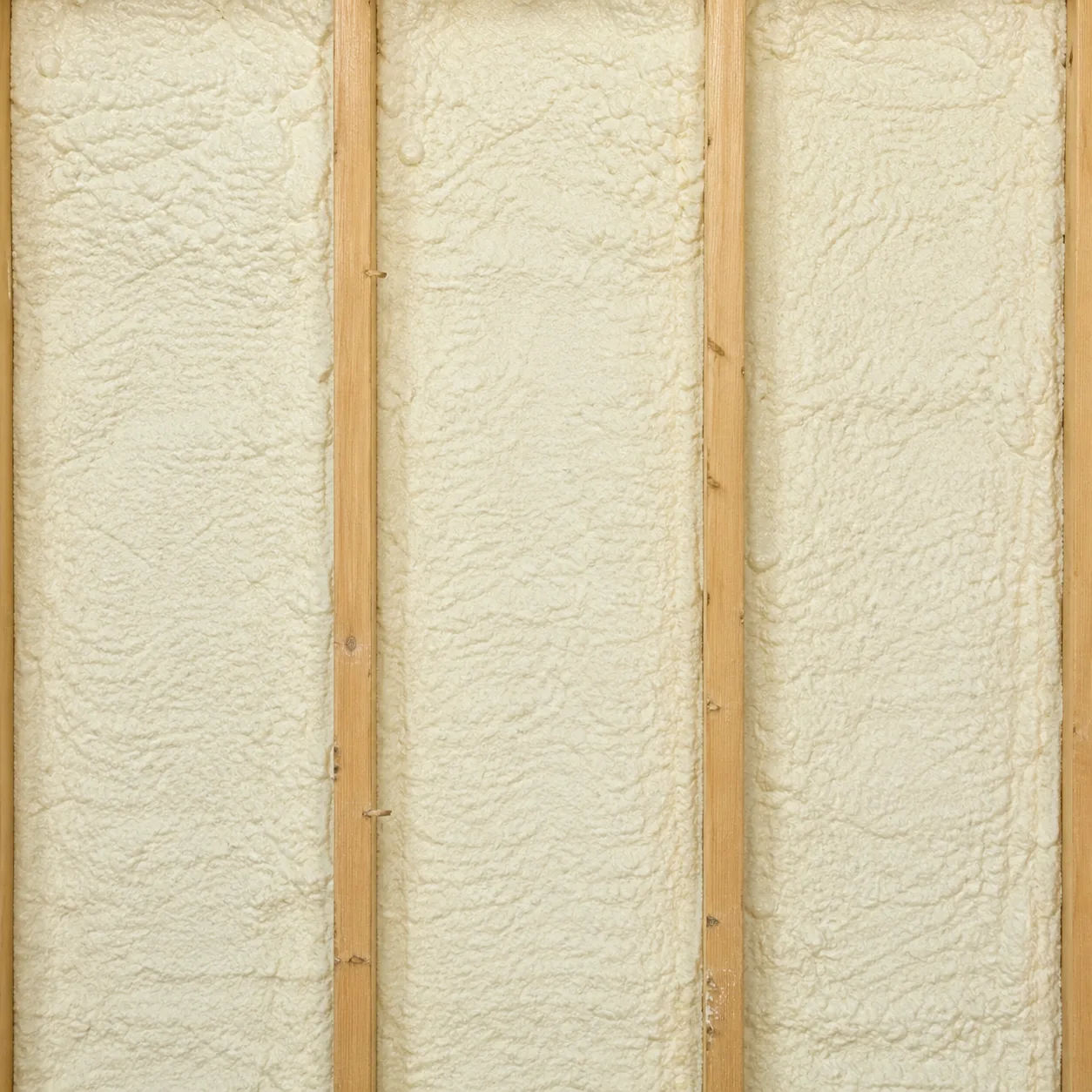
Closed-cell spray foam is the more common recommendation for metal buildings because it adheres directly to metal panels, adds structural rigidity, and does not wick or hold moisture the way an open-cell product or fiberglass batt can. See closed-cell spray foam for more on why it performs differently than other insulation types in this application. For the underlying mechanics of why metal buildings sweat, see metal building spray foam and condensation.
Comfort and usability, not just moisture control
Beyond condensation, insulating a metal shop or equipment building changes how usable the space is through a Park City winter. An insulated and air-sealed building holds heat from a space heater or wood stove far more efficiently, and it reduces the extreme summer heat gain that uninsulated metal roofs are known for. For buildings used as workshops, home gyms, or toy storage rather than pure equipment storage, that comfort difference is often the deciding factor in the insulation decision.
Types of metal buildings around Summit County
Metal building insulation requests here cover a wide range: equipment barns and hay storage on larger rural parcels, RV and snowmobile/toy storage buildings, pole-barn-style shops with metal skin, and small commercial or event structures. Each use case has a different tolerance for temperature swings and a different budget for insulation depth — a pure storage building may only need condensation control, while a heated workshop or event space needs full thermal performance closer to a conditioned living space.
Details to gather before requesting pricing
Useful details include square footage, framing depth, surface material, existing insulation, access constraints, electrical or mechanical items in the work area, moisture history, photos, and whether other trades are scheduled. For metal buildings specifically, note the building's current use (equipment storage, workshop, garage), whether condensation has already been observed, and roof pitch/height, which affects access and labor. See the spray foam cost guide for general pricing factors.
Protecting stored vehicles and equipment from freeze-thaw
Uninsulated metal buildings used for vehicle, boat, or equipment storage go through the same freeze-thaw and condensation cycles as the building itself, which over time can contribute to rust and corrosion on stored items. Reducing that temperature swing with spray foam is often as much about protecting what is inside the building as it is about making the space comfortable to work in.
Park City building notes
Park City projects often involve second homes, nightly-rental properties, ski-area remodels, steep lots, tight access, and higher expectations for clean scheduling. That makes clear scheduling, clean prep, and the right foam recommendation more important than a generic insulation quote. Larger properties with detached shops or pole barns should also review the pole barn, shop, and garage page for related planning notes.
Roof panel type and application notes
Metal buildings vary between standing-seam, screw-down, and ribbed panel roof systems, and access for spraying the underside of the roof deck can differ between a post-frame and a pre-engineered steel-frame building. Mention the building's construction type and roof style when requesting a quote so the contractor can plan the right access and application approach.