What affects this project
Cold winters, wind exposure, roofline complexity, and large garages or equipment spaces make air sealing and foam selection important before work begins. The contractor needs to know whether the goal is comfort, air sealing, condensation control, sound reduction, code performance, or making a garage, shop, or crawl space more usable.
Detached buildings are common on Park City-area lots
Larger properties around Promontory, Jordanelle, Summit Park, and Silver Creek often include a detached shop, pole barn, or oversized garage used for vehicles, snow equipment, recreational toys, or a home workshop. These buildings are frequently built without the insulation attention given to the main house, which leaves them cold, damp, or uncomfortable to use for more than a few months a year. Spray foam changes that equation by sealing the building envelope and adding real thermal performance to walls and rooflines that are otherwise just a shell.
Why an unheated shop still benefits from insulation
Even a shop that is not fully conditioned benefits from spray foam because it slows heat loss and reduces the temperature swings that stress stored equipment, vehicles, and finishes. A well-sealed pole barn or garage requires less energy to bring up to a workable temperature with a space heater and holds that temperature longer, which matters during a Park City cold snap when outdoor temperatures can sit well below freezing for days. Insulation also reduces condensation risk on tools, vehicle surfaces, and stored materials.
Foam choice for pole barns, shops, and garages
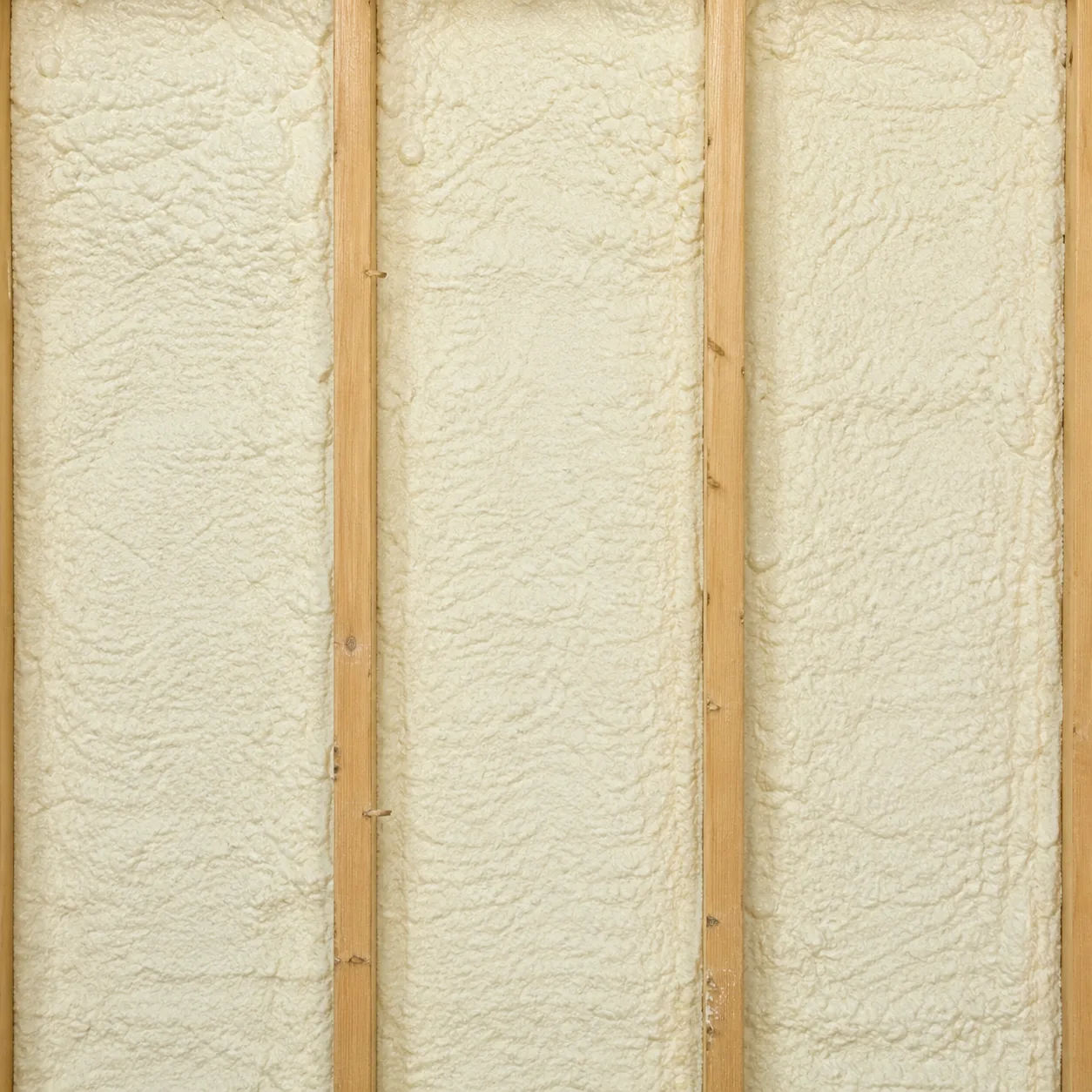
Closed-cell foam is common on the roof deck and any metal-skinned surfaces because of its moisture resistance and higher R-value per inch, while open-cell foam is sometimes used in interior partition walls of a shop that includes an office or living space. See closed-cell vs. open-cell spray foam for how that decision is typically made, and metal building insulation for buildings with a metal shell specifically.
Recreation storage is a common driver of these projects
Park City's outdoor recreation culture means a lot of detached buildings exist specifically to store snowmobiles, ATVs, boats, and ski/bike gear, sometimes alongside a workshop bay for maintenance. Owners insulating these spaces are often trying to protect gear from temperature-driven condensation and rust as much as they are trying to make the space comfortable to work in. That distinction is worth mentioning in a quote request, since it can change the insulation priority from "comfort" to "moisture and condensation control."
Details to gather before requesting pricing
Useful details include square footage, framing depth, surface material, existing insulation, access constraints, electrical or mechanical items in the work area, moisture history, photos, and whether other trades are scheduled. For a detached building, note whether it is heated, partially heated, or unconditioned, and whether the roof is metal or another material, since that affects the foam recommendation. See the spray foam cost guide for typical pricing variables.
New pole barn builds vs. insulating an existing structure
Insulating during initial construction is generally the more efficient path, since the building's shell is open and accessible before siding, roofing, or interior finishes go on. Retrofitting an existing pole barn, shop, or garage is still common and achievable, but access, existing finishes, and any built-in lofts or mezzanine storage areas can affect scope and pricing. Mention whether the project is new construction or a retrofit when requesting a quote so the estimate reflects the right access conditions.
Park City building notes
Park City projects often involve second homes, nightly-rental properties, ski-area remodels, steep lots, tight access, and higher expectations for clean scheduling. That makes clear scheduling, clean prep, and the right foam recommendation more important than a generic insulation quote.
Working around a shop's existing use
An active shop or garage often has vehicles, equipment, tools, and materials that need to be protected or relocated during spray foam application. Mention what needs to stay in place versus what can be moved so the contractor can plan masking, ventilation, and scheduling around an active space rather than an empty shell.